
"This newer, innovative conception, called a proof system, is any
protocol by which a prover can convince a verifier of a claim, where the meaning of 'convincing'
depends on the proof system." Zorp 
The DOOM Editor Language Test is a test of a programming language and its imagination to see whether it can be used to write a DOOM Editing Utility and how hard it is. This is an experiment to test the libraries more than the language itself.
For a while Hoon did not have vector or array types. Now that n-dimensional arrays can be defined using a Hoon data structure we attempt the ultimate test of cerebral fitness: trying to traverse through military bases on the moons of Mars and in hell armed with only random-access binary files and graphics.
It was the ability to edit 2-Dimensional levels that made DOOM's renderer a radical computing engine, and not the 3-D graphics that the game is remembered for: "When you have a bunch of interconnected objects, you can store them all in arrays, let them refer to each other by their array indices, and collect garbage under user control," one contributor remarked in 2001. He also added "You can also delete any element by swapping it with the last element and deleting the last element."
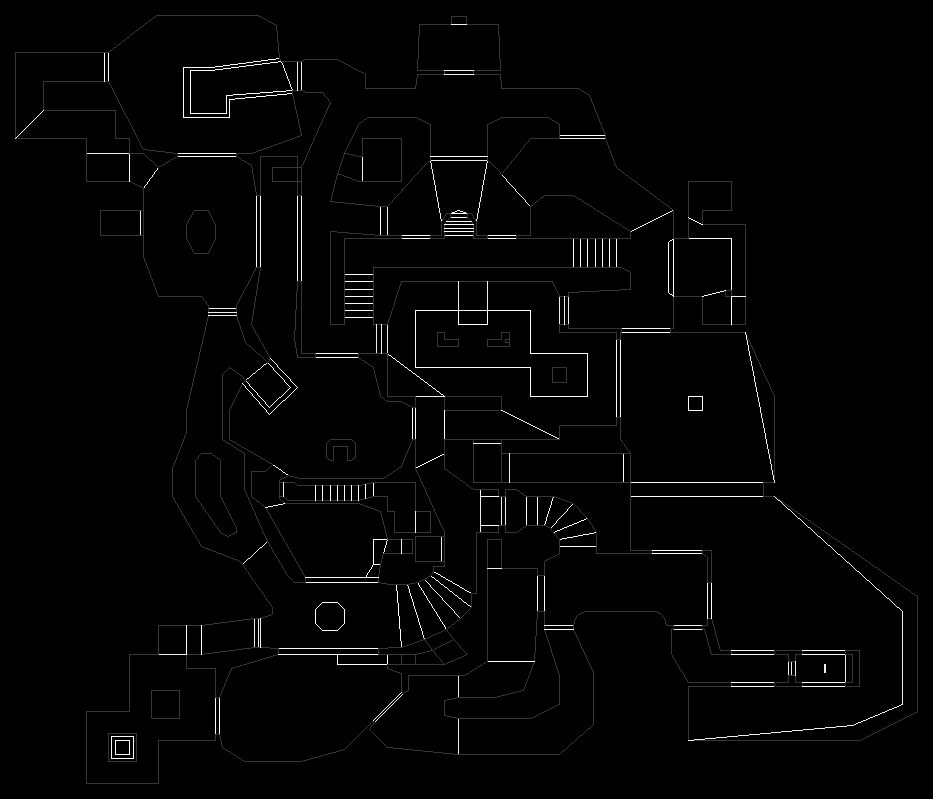
PC Doom/Ultimate Doom level E1M7, COMPUTER STATION: Level map.
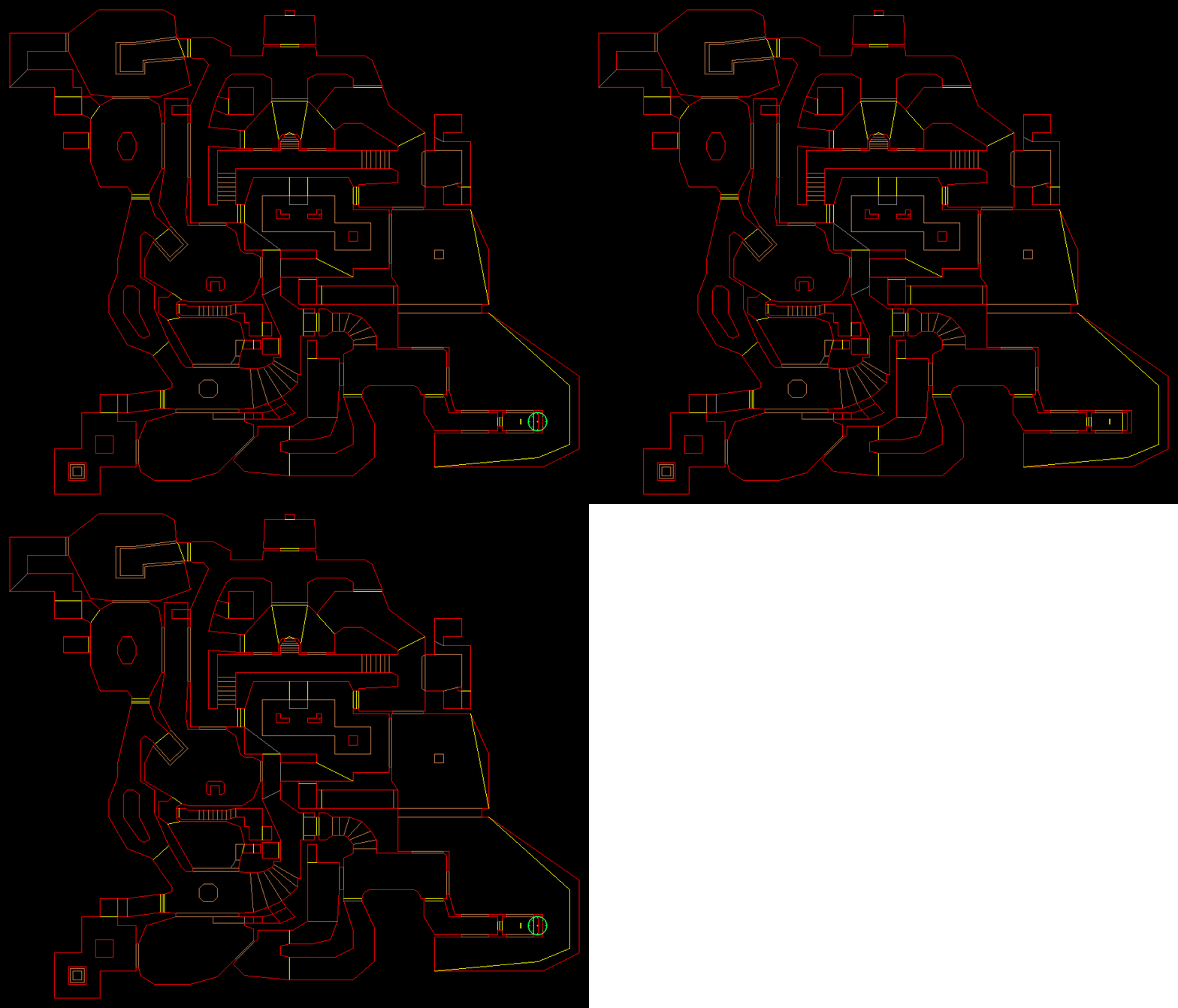
doom
"In an IOP, the prover and verifier interact over a number of rounds. In each round, the verifier sends the prover a challenge. Then, the prover sends the verifier a set of data in response to the challenge, which the verifier can partially query in this or later rounds. At the end of an agreed upon number of rounds, the verifier either accepts or rejects the proof"